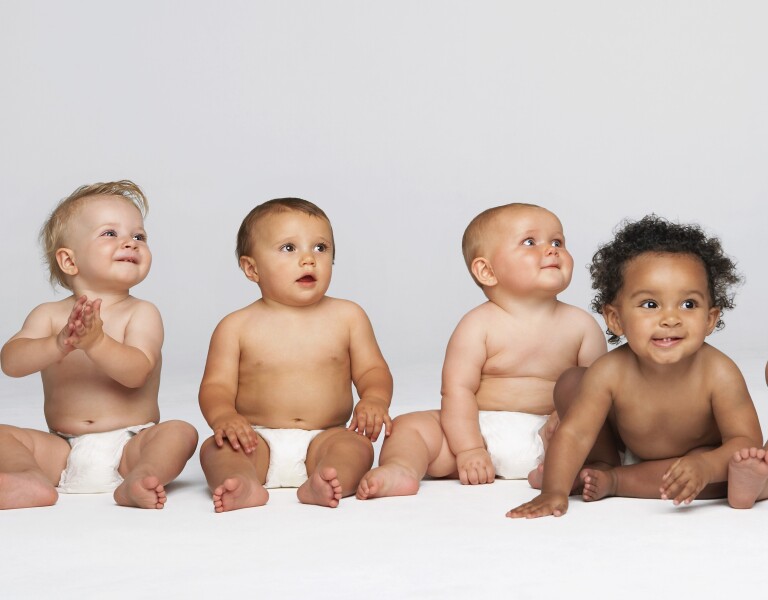
The Early Years Foundation Stage (EYFS) is the curriculum framework we follow for children from birth to the end of Reception. It focuses on supporting the whole child and helping them develop the skills, knowledge and confidence they need for the next stage of their learning.
The Early Years Foundation Stage (EYFS) sets out seven areas of learning and development:
Three Prime Areas:
- Physical Development – developing movement, coordination, strength and independence.
- Communication and Language – developing listening, attention, understanding and speaking.
- Personal, Social and Emotional Development– building relationships, managing feelings, developing confidence and learning how to behave appropriately.
Four Specific Areas:
- Literacy – developing a love of books, understanding stories, recognising sounds and letters, and beginning to read and write.
- Mathematics– developing an understanding of numbers, counting, patterns, shapes, space and measures.
- Understanding the World – learning about people, communities, nature, technology and the world around them.
- Expressive Arts and Design– exploring music, art, dance, role play and different ways of expressing ideas and creativity.
Our Bright Start Extras form part of the Bright Start Early Learning Framework and are included in our fees.
Cookery
In our dedicated cookery room, children build practical skills, explore healthy food and take pride in preparing meals they can enjoy.
Yoga & Wellness
We offer yoga classes that help children develop balance, coordination, mindfulness, and body awareness through calm, playful movement.
Music and Movement
Led by a professional singer, our playful music and movement sessions build rhythm, coordination and confidence through singing, instruments and self-expression.
Spanish
Our Spanish classes introduce children to a new language and culture in a fun and engaging way, supporting their communication skills and developing early global awareness.
Mixed Sports with Royal Wharf Football Club
Led by a Royal Wharf Football Club coach, our football and mixed sports sessions build skills, encourage teamwork and keep children active.
Theories that shape our approach
We celebrate every child’s unique interests, strengths and ways of learning. Drawing on Montessori, Reggio Emilia and Steiner-inspired principles, our approach encourages independence, creativity, curiosity and confidence.
Montessori
- The idea Children learn independently using specially designed materials and a prepared environment.
- Our role Guide and observer; supports children without unnecessary interference.
- Children’s experience Independent, self-directed learner who chooses activities.
Reggio Emilia
- The idea Children learn through relationships, exploration and creative expression. The environment is seen as the “third teacher”.
- Our role Co-learner and facilitator who observes children’s interests and develops projects with them.
- Children’s experience Active learner who investigates, asks questions and expresses ideas in many ways (“100 languages”).
Steiner-inspired
- The idea Focuses on imagination, creativity, nature, relationships and learning through play rather than formal academics in the early years.
- Our role Provides a predictable, nurturing environment and models activities e.g. storytelling, cooking and crafts.
- Children’s experience Learns through imitation, imaginative play and practical experiences.
BSELF - School Readiness Programme
Bright School Readiness
- School readiness means helping children develop the skills, confidence and independence they need to start school successfully.
- This includes communication, social skills, self-care, listening, attention and being able to follow simple instructions.
Bright Phonics
- Phonics teaches children the sounds that letters make and helps them connect sounds to letters.
- In Early Years, children develop listening skills, learn rhymes and sounds, and begin to recognise and blend sounds to read simple words.
Bright Mathematicians
- Early maths helps children develop an understanding of numbers, counting, quantities, shapes, patterns and simple calculations.
- Children learn through practical activities and play, such as counting toys, comparing amounts and recognising numbers.
BSELF School Readiness Special
S.T.E.M — Science, Technology, Engineering & Mathematics
- Science - Exploring nature, plants, animals, water, weather and materials, future Forest School in planning watch this space!
- Technology - Using simple tools and technology safely, such as cameras, tablets or programmable toys.
- Engineers - Building, designing and finding solutions, such as making a bridge or tower.
- Mathematics - Counting, measuring, sorting, comparing, recognising shapes and exploring patterns.
Example: Children build a bridge with blocks. They count the blocks (mathematics), test different materials (science), design and build the bridge (engineering), and use tools or technology if appropriate (technology).